◈ Cerita Malaysia

Debate Hall

Fact-grounded, structured debate on controversial topics. Each debate has three speakers per side, a free debate phase, closing speeches, and commentary from judges with different backgrounds. Every statement must carry a source citation.

Live

Should Malaysia Continue Affirmative Action Policies?

ForThe NEP should continue: poverty among Bumiputera fell from 65% to 2.8% since 1971, and structural wealth disparities built during colonialism cannot be unwound without affirmative policy. AgainstThe NEP must be replaced by needs-based policy: 56 years of race-based redistribution has entrenched ethnic silos, shielded cronies, and cost Malaysia its competitive edge.
20 Sources 12 min read 2026-08-12
Live

Secular State or Islamic State?

ForMalaysia is a secular state: the Reid Commission debates of 1957 confirm Islam is a ceremonial official religion only; civil law is supreme over religious law. AgainstMalaysia is an Islamic state: Article 3 makes Islam the religion of the Federation, the Malay Rulers are heads of Islam, and the public sphere can be Islamised in line with the majority's will.
17 Sources 9 min read 2026-08-12
Live

Should the Federal Government Fully Fund Vernacular Schools?

ForVernacular schools deserve full federal funding: Article 152 guarantees the right of minorities to maintain their languages; Chinese and Tamil schools consistently outperform national benchmarks. AgainstFull funding for vernacular schools deepens divisions: a single inclusive national school system must be strengthened so Malaysia's youth grow up across ethnic lines.
20 Sources 11 min read 2026-08-12
Live

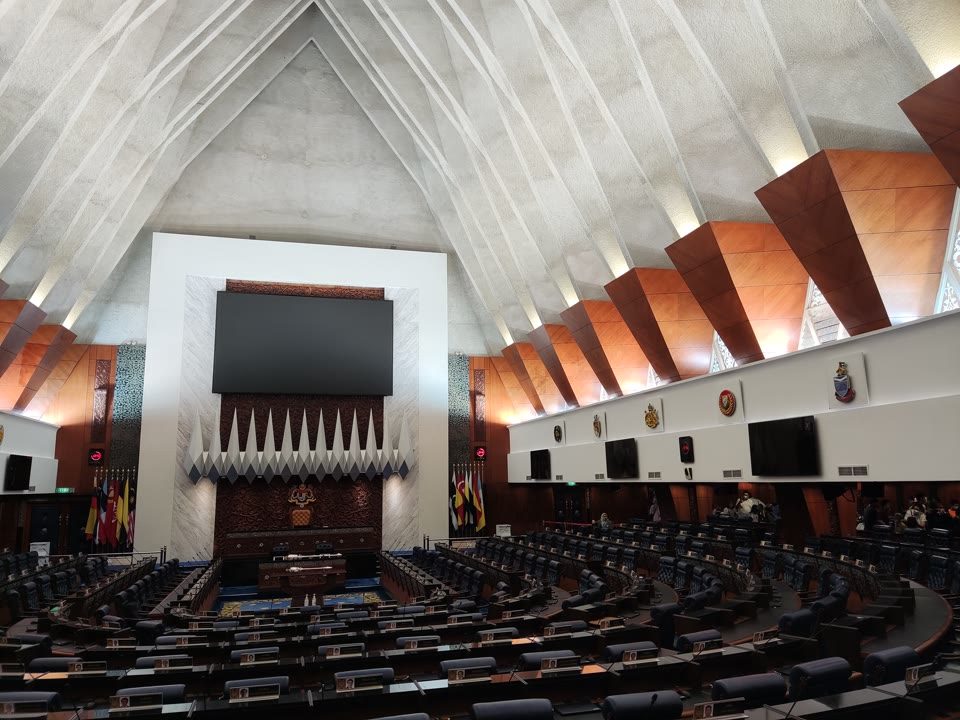
Should Sabah and Sarawak's Autonomy Be Expanded?
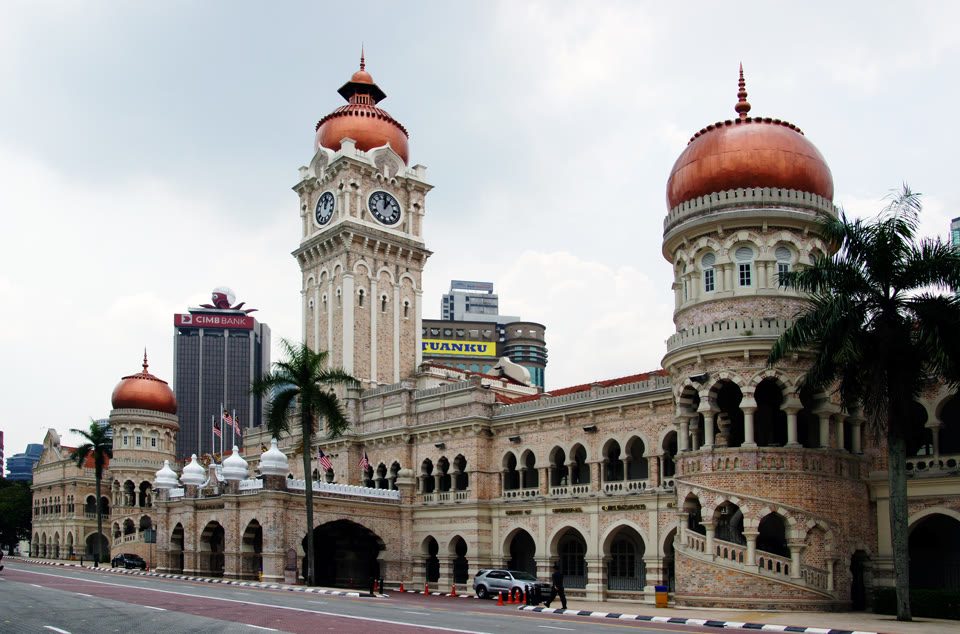
ForSabah and Sarawak autonomy must be restored: the Malaysia Agreement 1963 granted exclusive powers that have been progressively absorbed by the federal government since the 1960s. AgainstThe existing federal framework is sufficient: excessive decentralisation will weaken national unity, administrative efficiency, and Malaysia's economic resilience.
20 Sources 9 min read 2026-08-12
Live

Should Malaysia Abolish the Death Penalty Entirely?

ForMalaysia must abolish the death penalty entirely: judicial errors cannot be reversed after execution, and empirical evidence does not support a deterrent effect. AgainstThe death penalty must be retained for the gravest offences: the state has an obligation to protect society from large-scale drug traffickers and premeditated killers.
12 Sources 12 min read 2026-08-12
Live

Who Owns the Narrative of May 13?

ForThe full history of May 13 must be opened to research: truth and reconciliation require complete facts; restrictions fuel speculation and allow the event to remain a political weapon. AgainstControlled access to May 13 narratives must be maintained: reopening deep communal wounds risks reigniting racial tensions in an already polarised political climate.
19 Sources 10 min read 2026-08-12
Live

Should Parliament Amend Act 355 to Increase Syariah Court Criminal Jurisdiction Limits?

ForParliament has the right to amend Act 355: the Constitution gives Parliament absolute power to set Syariah court jurisdiction limits, and Islam as the official religion can be elevated through democratic process. AgainstAmending Act 355 violates constitutional equality: heavier punishments indirectly coerce non-Muslims into living under laws they do not subscribe to.
16 Sources 12 min read 2026-08-14
Live

The UEC Debate: Recognizing a Diploma or Protecting a Language Boundary?
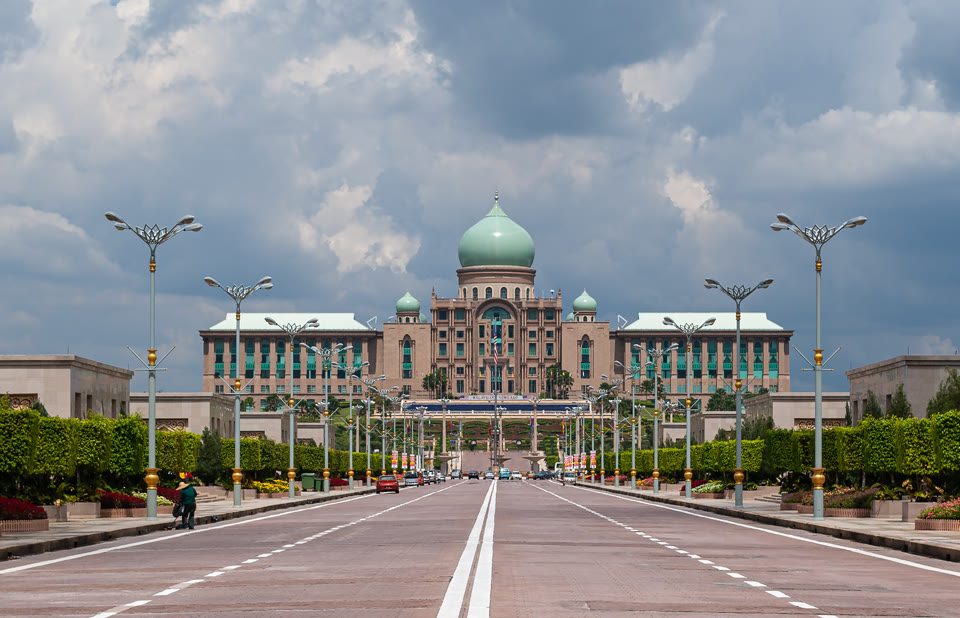
ForUEC must be fully recognised without conditions: a qualification accepted by top universities worldwide should not face discriminatory treatment in its country of origin. AgainstUEC recognition requires reasonable conditions: curriculum alignment and adequate Bahasa Malaysia proficiency are fair prerequisites, not discrimination.
10 Sources 11 min read 2026-08-14
Live

Should Malaysia's Constitution Limit the Prime Minister's Term of Office?

ForPrime Ministerial term limits must be enshrined in the Constitution: unchecked power breeds corruption and silences internal dissent; ten years is enough to deliver any national agenda. AgainstThe Westminster system already has sufficient checks: elections are the most democratic mechanism for change; fixed term limits may bar effective leaders who still command public trust.
12 Sources 17 min read 2026-08-14
Live

The Billion-Ringgit Question: JAKIM's Budget and the Trajectory of Malaysia's Islamisation Policy
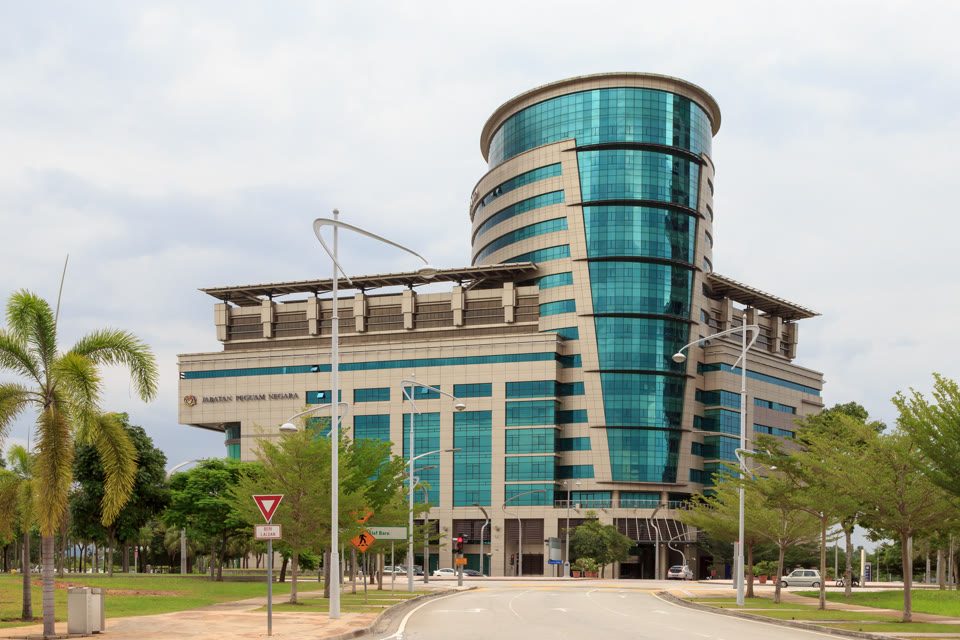
ForJAKIM's budget is legitimate: the government has the right to fund the official religious institution; this parallels how other states fund their national cultural bodies. AgainstJAKIM's RM1.8 billion budget must be slashed and made transparent: tax revenues from citizens of all faiths should not be channelled massively to one religion without public accountability.
15 Sources 13 min read 2026-08-14
Live

Should the Attorney General Remain Appointed by the Yang di-Pertuan Agong? The Case for Separation of Roles
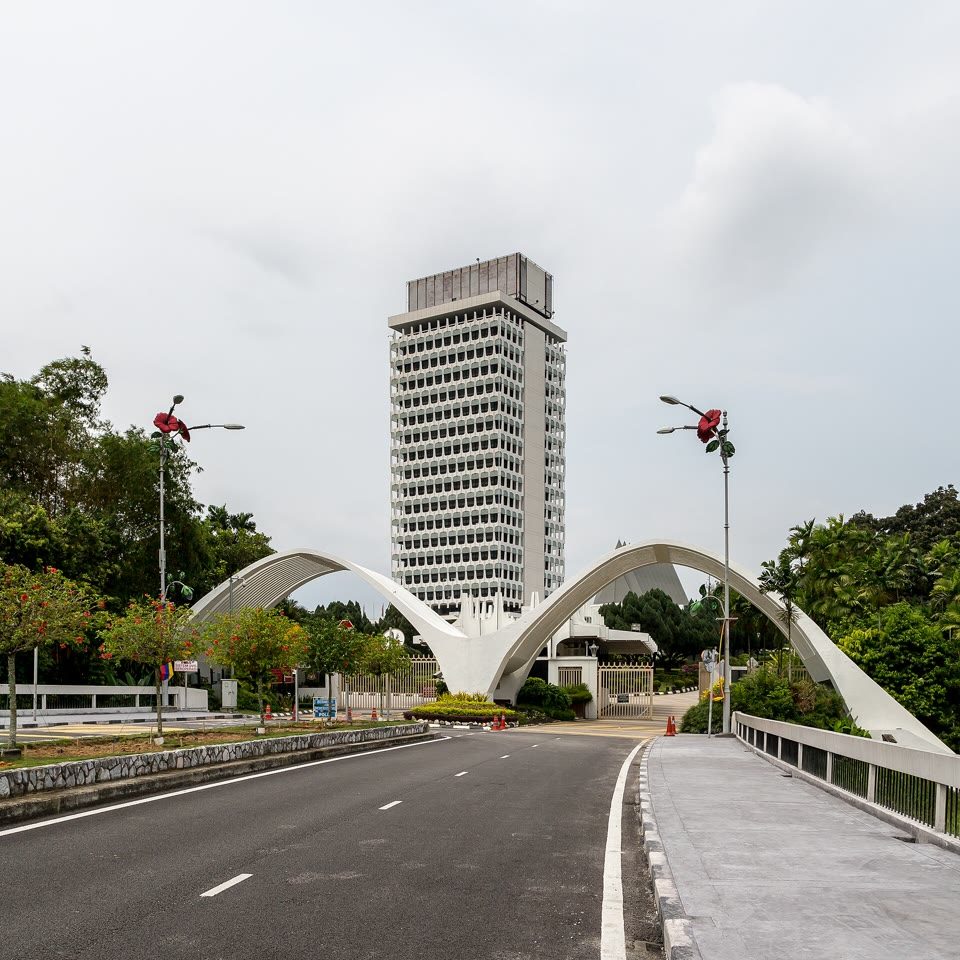
ForThe Attorney General's roles must be separated: the conflict of interest between government adviser and independent public prosecutor undermines public confidence in impartial justice. AgainstThe Attorney General should retain both roles: separation creates bureaucratic layers, weakens legal coordination, and does not resolve the root problem of political pressure on prosecutions.
12 Sources 6 min read 2026-08-14
Live

The Pakatan Melayu Coalition Debate: A Constitutional Right to Ethnic Unity or a Political Trap of Ethnic Mobilization?

ForA Malay unity pact is a legitimate democratic right: community-based parties are entitled to form coalitions to defend the interests of their voters in a multiparty system. AgainstA Malay unity pact is dangerous ethnic mobilisation: it entrenches race politics, excludes non-Malay representation, and traps voters in an elite competition rather than delivering policy change.
12 Sources 14 min read 2026-08-14
Live

Chinese Political Parties in Reformist Coalitions: Stay or Leave?
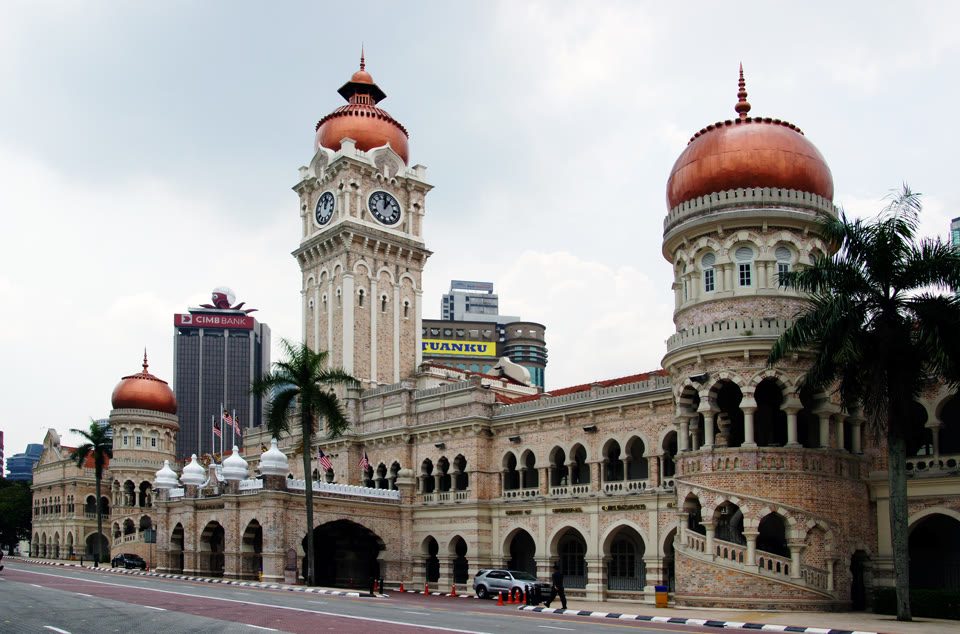
ForCommunity parties should remain in the Unity Government: cabinet presence enables insider advocacy and policy influence more effective than external opposition. AgainstCommunity parties should exit the Unity Government: support without real power only legitimises a government that continues discriminatory policies, betraying their own voters.
12 Sources 11 min read 2026-08-14
Live

Should Malaysia's Sedition Act 1948 Be Abolished? Security or Censorship?

ForThe Sedition Act 1948 must be retained: it protects racial and religious sensitivities from inflammatory speech that could trigger violence in a plural society. AgainstThe Sedition Act 1948 must be abolished: it has been wielded as a political weapon to silence journalists, academics, and legitimate dissent; its vague scope chills free expression.
11 Sources 8 min read 2026-08-23
Live

Malaysia's Anti-Hopping Law 2022: Necessary Stability or Outsized Party Power?
ForThe Anti-Party Hopping Act 2022 must be strengthened: government stability requires party loyalty; election mandates are given to parties, not individual MPs. AgainstThe Anti-Party Hopping Act 2022 is inadequate: wide exemptions, no independent enforcement mechanism, and intra-party sabotage leave room for continued floor-crossing through other means.
10 Sources 6 min read 2026-08-23
Live

Should the Government Control Press Licences? Malaysia's Printing Presses Act 1984 in Focus

ForMedia licensing controls must be retained: licensing enables accountability against disinformation, foreign interference, and use of media for destabilisation agendas. AgainstThe Printing Presses and Publications Act 1984 must be fully repealed: revocable licensing at any time is covert censorship that threatens press freedom and democratic discourse.
10 Sources 6 min read 2026-08-23
Live

Should Malaysia Restore Local Government Elections?

ForLocal government elections must be restored: 61 years of suspension is a democratic injustice — residents pay assessment rates to councils they cannot vote out, with no mechanism to remove failing leaders. AgainstThe appointment system should be retained: elections would import racial polarisation to the local level, cost RM308 million, and replace technical expertise with populist politics.
12 Sources 6 min read 2026-08-24
Live

RON95 Subsidy Rationalisation: A Necessary Fiscal Reform or a New Burden on Ordinary Malaysians?

ForUniversal RON95 subsidies must end: higher-income households with larger vehicles receive the majority of subsidy value in absolute terms; the same money delivered directly to B40 households as cash transfers is more progressive and more effective. AgainstRemoving RON95 subsidies punishes the lower-middle class: petrol price increases ripple through the supply chain into food and transport costs, and cash transfer mechanisms are too slow and incomplete to compensate households caught in the M40 gap.
12 Sources 6 min read 2026-08-24
Live

Should Malaysia Pursue Nuclear Energy?
ForMalaysia must seriously explore nuclear energy: it is the only low-carbon baseload power source that can meet around-the-clock industrial demand without dependence on intermittent wind or solar — and modern SMR technology makes it safer and more affordable than the old-generation reactors people imagine. AgainstMalaysia is not ready for nuclear power: we lack an independent regulator, a mature legal framework, radioactive waste disposal facilities, and the public consensus required — and solar plus battery storage can meet our needs faster and more cheaply.
12 Sources 6 min read 2026-08-24
Live

Should Malaysia Allow Dual Citizenship?

ForMalaysia should allow dual citizenship: the single-citizenship policy causes loss of trained human capital, alienates children of overseas Malaysians from their homeland, and leaves Malaysia behind the majority of developed countries that have accepted dual citizenship. AgainstMalaysia should retain single citizenship: dual citizenship creates loyalty conflicts in security contexts, complicates the Bumiputera rights system tied to citizenship, and can become a backdoor to claiming Malaysian citizenship rights without active membership in Malaysian society.
11 Sources 5 min read 2026-08-24

Format: Each debate follows the formal debate-competition format — three speakers per side (first, second, third), followed by a free debate phase and closing speeches, then assessed by three judges from different backgrounds.

Facts First: Every statement containing a number, a date, or the claim that "someone did something" must carry a reference number. Readers can click the number to jump directly to the source link.

Judges' Role: Judges do not decide which side is "right". They assess debating skill — the internal logic of arguments, the quality of responses to the opposing side's reasoning, and the honesty of data use.

Editorial Position: The Debate Hall does not take a position on any debate topic. Both sides are written with equal effort to be as persuasive as possible. Readers decide for themselves.