How Did Malaysia MCO Change Politics?
Frontliners Suppressed the First Wave, but the Third Wave After the Sabah Election Tied Health and Politics Together Again
On March 18, 2020, the city suddenly lost its noise.
Schools and non-essential businesses closed, interstate travel was restricted, and police and military personnel checked documents at roadblocks. In hospitals, staff ramped up testing, isolated patients, and traced contacts; daily health briefings became a shared moment of waiting for the whole nation. 1,2
Malaysia's first nationwide Movement Control Order had begun.
Early Achievements to Be Remembered#
Just because the new government's legitimacy was disputed does not mean all pandemic response efforts should be dismissed.
The Ministry of Health and frontliners leveraged the existing public healthcare system to expand testing, isolate the infected, and suppress contact through movement restrictions. The WHO noted a significant drop in cases during April. 1,2
This achievement belonged to many: doctors, nurses, lab technicians, paramedics, cleaners, police officers, delivery riders, community volunteers, and ordinary people willing to stay home at the cost of their income and freedom.
It cannot be collected solely into the political resume of a single minister or prime minister.
Behind the Same Closed Doors, Different Lives#
People working from home faced online meetings.
Daily wage earners, small traders, and families who lost their jobs faced the question of their next meal. Migrants and refugees bore even greater risks due to documentation status, language barriers, fear of enforcement, and inadequate aid coverage. SUHAKAM recorded that some migrant workers did not receive direct aid and had to reduce their food intake. 1,3
The virus could infect any ethnicity, but the costs exacted by lockdowns were not equal.
Therefore, "sacrificing together as a nation" should only be a starting point, not an excuse to refuse discussions on who received subsidies, who faced enforcement, and who could not afford to isolate.
The Sabah State Election: How Politics Brought Risk Back to the Peninsula#
In September 2020, a state election was held following the collapse of the Sabah state government. Campaigning, cross-district movement, and travel back and forth to the Peninsula occurred when Sabah already had multiple case clusters; post-election, Malaysia entered its third wave. 4,5
Not every infection can be simply attributed to voting. Even before the election, Sabah had community transmission, prison clusters, and border area cases, and factors like testing and compliance were equally important. 4,5
But political leaders cannot pretend their choices did not compound the risk.
How the government and parties campaigned, whether those returning from the state were strictly quarantined, and how constitutional deadlines were balanced against public health. The politicians who caused the state government's collapse and competed via party-hopping, the governments at various levels that approved and managed the election, and the parties that campaigned without sufficient precautions must all bear the corresponding political responsibility.
By early 2021, cases and pressure on the healthcare system had spiked again.
The government did not just announce a new round of movement restrictions.
It advised declaring a national state of emergency, and Parliament consequently ceased meeting normally.
A virus requires swift action.
But for a government whose majority was already in question, when it no longer had to face Parliament, who would check whether its swift actions crossed the line?
Sources 5 Every important claim here can be checked. Open it and see.
Do not trust this site. Check it — every source below is clickable.
This site is written with AI assistance. Please check us.
AI can invent citations that look completely convincing — a real author's name, a plausible title, a sensible year, for a work that does not exist. This is not a theoretical risk; it is a known failure mode. That is why every source on this site is clickable. If a reference cannot be found anywhere, it may well not exist — and we want to know.
How to check us →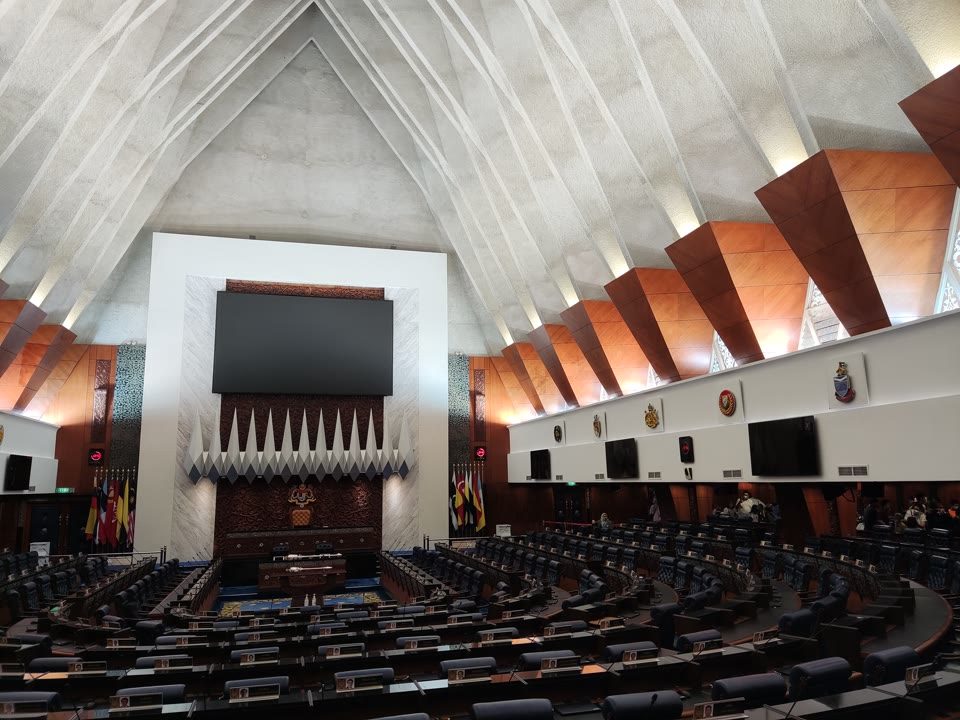
Reader Comments
Be the first to share your thoughts.