COVID-19 Emergency: Why Parliament Could Not Meet
On One Side: Delta, Hospital Beds, and Vaccines; On the Other: The PM's Majority, Emergency Ordinances, and Public Royal Rebuke
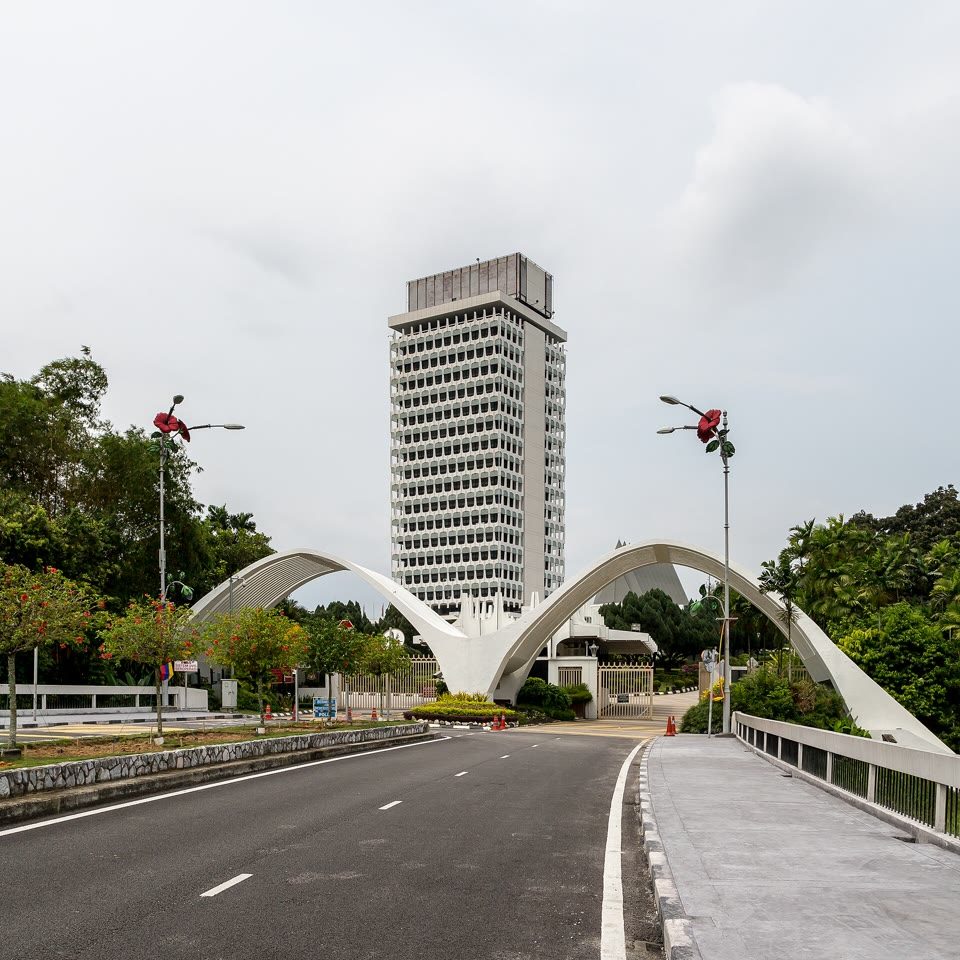
In January 2021, the state of emergency closed the doors of Parliament.
The government's reasons were not fabricated: cases were rising, the healthcare system was under pressure, and if a political crisis triggered an election, massive campaigning could increase transmission risks just like in Sabah. 1,2
The question was whether pandemic prevention required Parliament to cease normal oversight.
One Measure, Solving Two Crises#
Emergency ordinances gave the executive branch greater legislative space when Parliament could not meet normally, and also postponed elections. 1,3
This could reduce gatherings and allow the government to centralize procurement, healthcare, and economic relief.
Objectively, it also temporarily relieved the Muhyiddin government—which held a razor-thin majority—from facing a vote of confidence. 3,2
Both effects existed simultaneously. One cannot say the pandemic was fake just because someone benefited politically, nor can one use the reality of the pandemic to ban discussions about who gained power protection from Parliament's suspension.
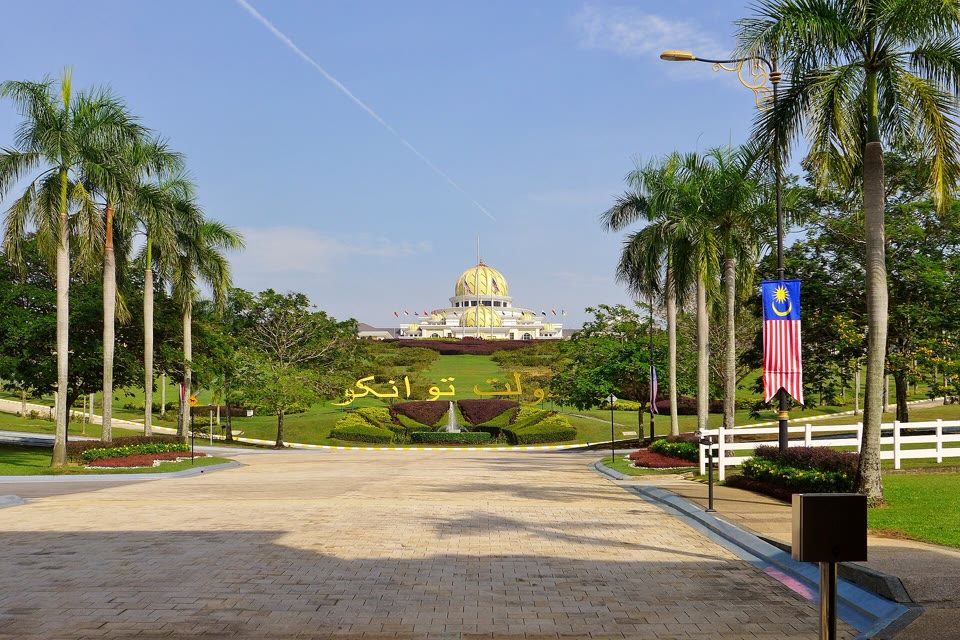
In February, the King publicly stated that Parliament could convene during the emergency upon the Prime Minister's advice. The government, for a time, still insisted on waiting until around the end of the emergency before reconvening. 4,3
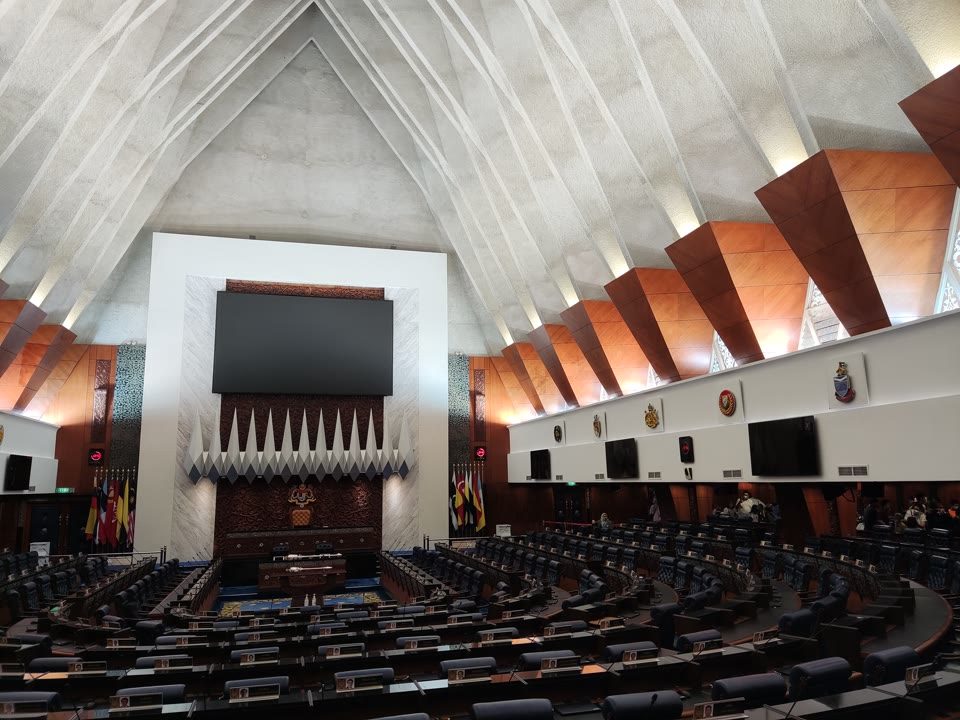
By the special parliamentary sitting in July, a minister announced that the emergency ordinances had been revoked, but without first completing clear constitutional procedure explanations; the Palace subsequently publicly expressed its disappointment over the handling. 1,4
When the Palace has to publicly correct the executive branch, the controversy is no longer just opposition rhetoric.
When the White Flags Went Up#
In mid-2021, the Delta variant accounted for the vast majority of new variants of concern, and pressure from severe cases and deaths rose. Vaccination accelerated, but could not outpace the income loss many families had already suffered. 5,6
People began raising white flags at their homes, indicating they needed food and help. Mutual aid networks like #KitaJagaKita and #BenderaPutih delivered supplies to doors; black flags and #Lawan directed dissatisfaction at the government. 7,8
The white flag was not a column on a government statistics table.
It was a public admission: someone could no longer hold on, and neighbors were unwilling to wait for politicians to finish arguing before acting.
Healthcare workers continued their shifts, the vaccination rollout progressed, but the ruling coalition lost the support of more MPs. Internal pressure within UMNO to withdraw support mounted, and Muhyiddin could no longer delay the confidence issue.
On August 16, 2021, he resigned as Prime Minister.
The pandemic had not ended, but the Prime Minister was replaced first.
Sources 8 Every important claim here can be checked. Open it and see.
Do not trust this site. Check it — every source below is clickable.
This site is written with AI assistance. Please check us.
AI can invent citations that look completely convincing — a real author's name, a plausible title, a sensible year, for a work that does not exist. This is not a theoretical risk; it is a known failure mode. That is why every source on this site is clickable. If a reference cannot be found anywhere, it may well not exist — and we want to know.
How to check us →
Reader Comments
Be the first to share your thoughts.