The Malaysia Plan: Why That Island Had to Come In
Independence, Security, Demographics, and the Market Squeezed Into the Same Plan; Tunku, Originally Reluctant to Accept Singapore, Finally Opened the Door
On May 27, 1961, there was a luncheon at the Adelphi Hotel in Singapore.
What was left behind after the lunch was not a menu.
It was a suddenly opened door.
In his speech, Tunku Abdul Rahman proposed that Malaya must seriously consider closer political and economic cooperation with Singapore, North Borneo, Sarawak, and Brunei. That was not just a sentence about "letting Singapore join Malaya," but a much larger map of a federation.1,2,3
The strange part was:
Tunku had previously always been reluctant to accept Singapore alone.
Why did he push the door open on this particular day?
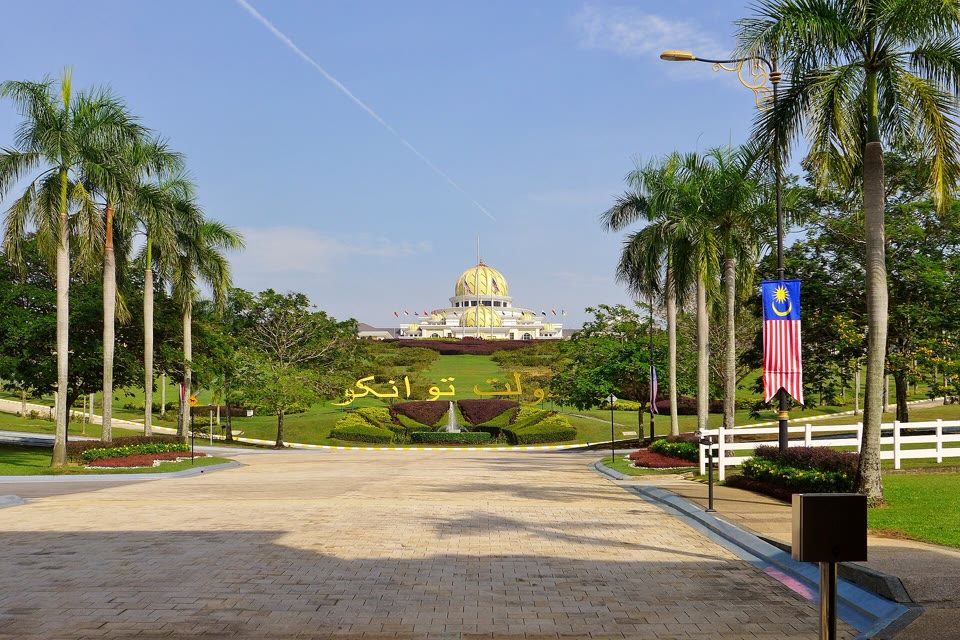
An Island Too Close, Yet Too Hard to Pull Straight In#
Singapore and Johor are separated only by a strait.
Goods, crowds, rubber, tin, and capital had long flowed back and forth across the Causeway. But the political border was deeper than the strait.
Singapore had a massive Chinese population and a highly organized left-wing labor movement. What Kuala Lumpur worried about was not just who would win the next election, but how the population ratio would change after a merger, who would control internal security, and whether Singapore's politics would drag the peninsula into a crisis alongside it.1,2,4
Therefore, bringing Singapore alone into the Federation was not, in Tunku's eyes, simply adding a piece of territory.
It would alter the political arithmetic of the entire Federation.
The larger Malaysia proposal brought North Borneo, Sarawak, and Brunei into the discussion as well. Doing so involved considerations of colonial withdrawal, security, and regional strategy, while also addressing Kuala Lumpur's anxiety over demographic balance.1,2,4
But we must pause here.
Sabah and Sarawak were not just two weights used to balance Singapore's population.
They had their own people, governance arrangements, political organizations, and demands for autonomy. The ensuing negotiations had to address their respective conditions; keeping the lens on Singapore in this article does not mean they were merely the backdrop of this story.
Singapore Was Not Waiting for a New Business Card#
In the narrative of Singapore's People's Action Party government, merger led to at least two things.
First, to shake off the powers still held by the British and move toward full independence.
Second, to enter a common market.
A city surviving on a port and industrialization needed a larger economic hinterland. Malaya's raw materials, population, and market lay right at the other end of the Causeway—visible, yet unable to automatically turn into a single economic space.2,5,3
However, the People's Action Party was already fracturing internally.
The left-wing forces were not opposed to ending colonial rule, but they could not accept the merger terms proposed by the government. They worried that Singapore would only have limited parliamentary representation in the Federation, that internal security could still be used against political opponents, and that Singapore citizens might not attain the exact same political standing as Malayan citizens.1,2,3
Thus, "whether to be independent" was not the only question.
What truly divided people was:
Under what terms do we enter? And once inside, who holds the keys?
The Three Keys the Center Had to Hold#
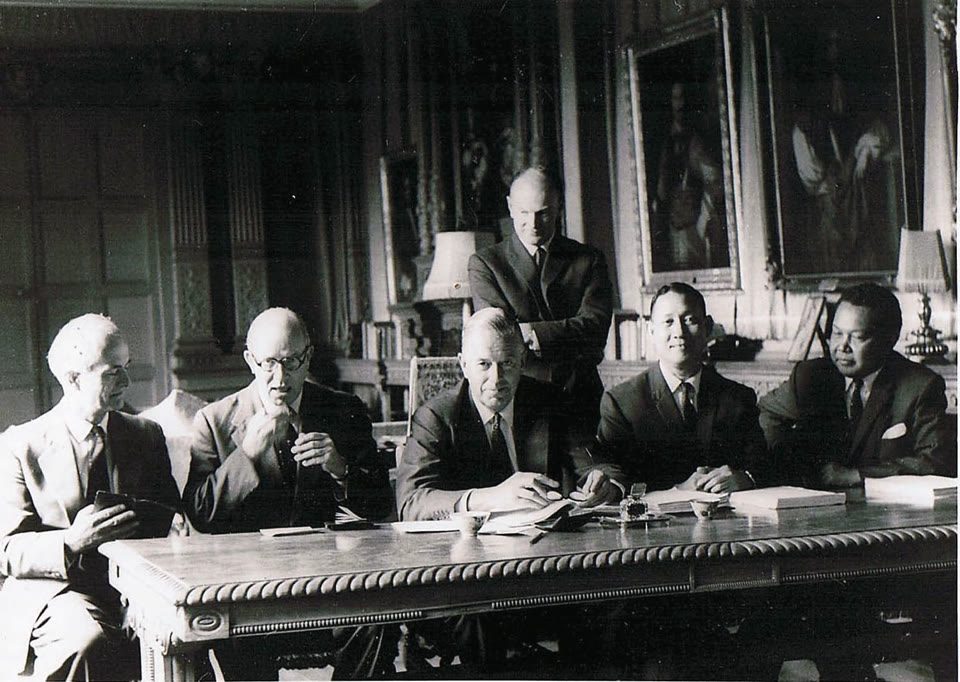
The Malayan parliamentary debates of 1961 already outlined the contours of the future structure very clearly.
Defense, foreign affairs, and internal security had to be held by the center; Singapore, meanwhile, would retain greater autonomy in areas like labor and education.1,2
This was a compromise.
And it also planted a set of timers.
Kuala Lumpur wanted a federation where Singapore's left-wing forces could not breach the security lines.
The Singapore government wanted independence, a market, and enough space to govern the city.
The opponents wanted anti-colonialism, but suspected this path would deliver the opposition into the reach of the internal security apparatus.
All three sides said they were discussing a merger.
But they were not talking about the same thing.1,2,3,4
Evidence for This Article, Clearly Explained#
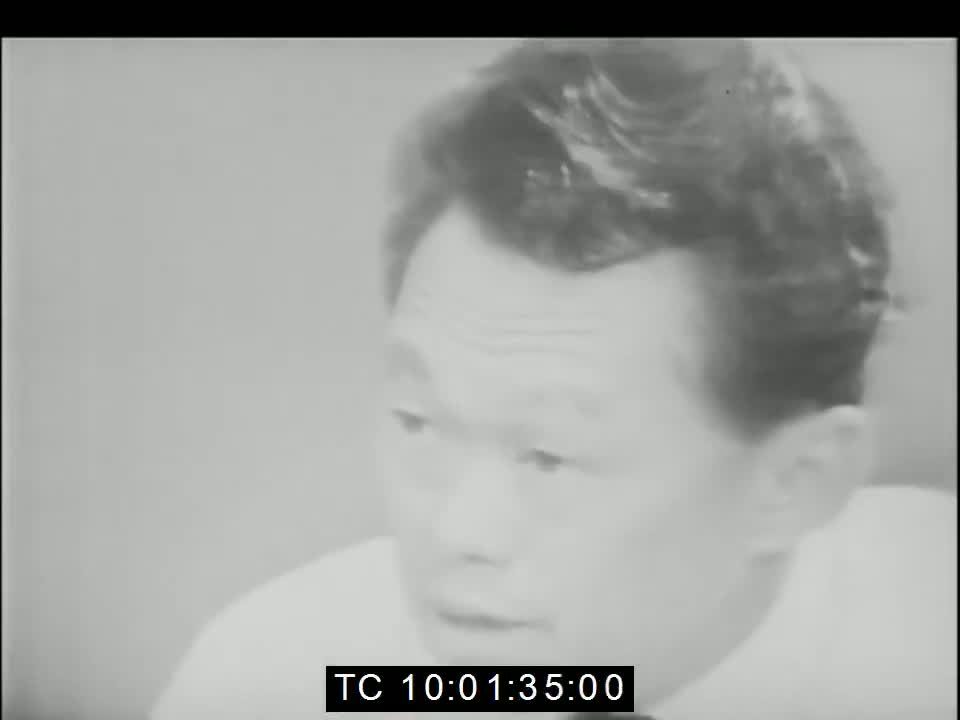
Tunku's shift in public stance and the broader Malaysia concept are cross-referenced using Malayan parliamentary records, British archival collections, and Lee Kuan Yew's concurrent broadcasts. Lee Kuan Yew was a participant, and his explanation of the turning point cannot be treated solely as the complete picture.1,2,3
Security, demographic, and economic factors are drawn from contemporary political records, and are not portrayed as anyone's secret motives. This article only states that these issues appeared publicly in parliamentary, diplomatic, and policy discussions.1,2,4
This article is sensitive: true. It touches on ethnic demographics, left-wing movements, colonial withdrawal, and the formation of the Federation; the original draft was reviewed line by line by Jay before publication.
Next up: The door had been opened. But before Singapore could gather the votes, Sarawak and North Borneo raised a question first: why was their future announced by others across the sea first?
Sources 5 Every important claim here can be checked. Open it and see.
Do not trust this site. Check it — every source below is clickable.
This site is written with AI assistance. Please check us.
AI can invent citations that look completely convincing — a real author's name, a plausible title, a sensible year, for a work that does not exist. This is not a theoretical risk; it is a known failure mode. That is why every source on this site is clickable. If a reference cannot be found anywhere, it may well not exist — and we want to know.
How to check us →
Reader Comments
Be the first to share your thoughts.